
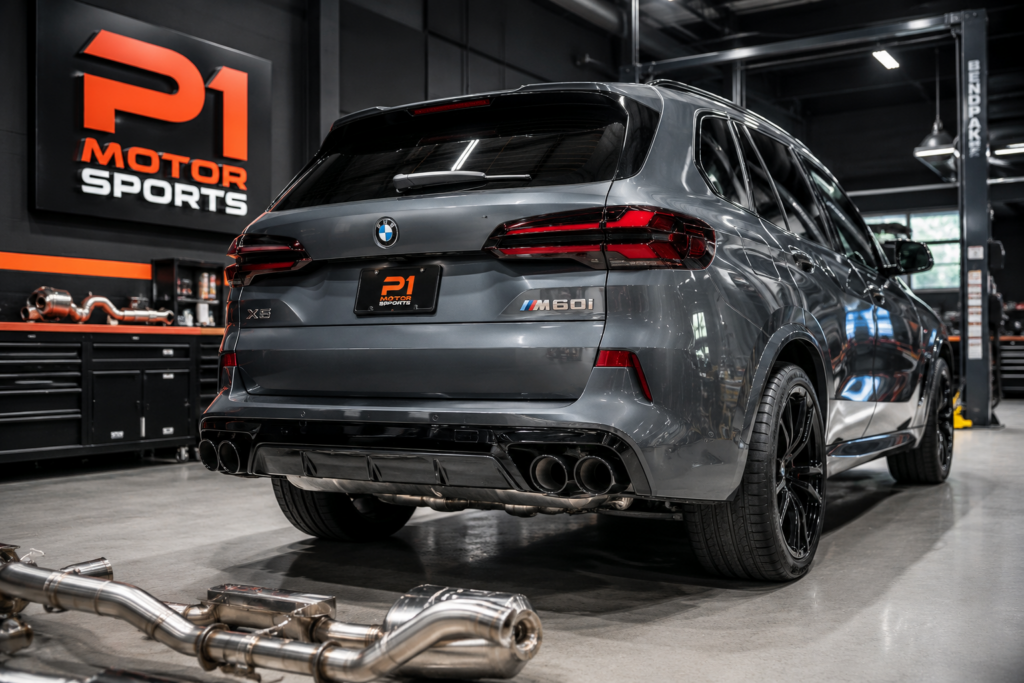
The BMW S68 engine powering your M60i is an engineering masterpiece. But from the factory, BMW tunes the exhaust to meet global noise regulations and appeal to the broadest possible audience. That means your twin-turbo V8 sounds good—but not as good as it could.
If you’ve been researching an m60i BMW aftermarket exhaust, you’re probably wondering what’s actually possible. How much better can it sound? Will you gain real horsepower? And what’s the difference between a $2,000 system and a $6,000 system?
This guide answers those questions. We’ll walk through everything from material choices to sound engineering, helping you understand what separates a truly premium exhaust from the countless options flooding the market.
Why the M60i Deserves a Better Exhaust
BMW’s S68 engine produces 523 horsepower in standard M60i applications. It’s smooth, refined, and impressively powerful. But that refinement comes at a cost—the factory exhaust system prioritizes cabin comfort over acoustic excitement.
The stock exhaust uses extensive sound dampening, multiple resonators, and conservative valve tuning. This keeps interior noise civilized during highway cruising. However, it also muffles the characterful growl and crackle that makes a V8 feel alive.
Here’s what a quality aftermarket system changes:
- Sound character: A deeper, more resonant tone that responds to throttle input
- Exhaust flow: Less restrictive piping allows the turbos to spool more efficiently
- Weight reduction: Premium materials can shed 30-50 pounds versus stock
- Thermal management: Better heat dissipation protects surrounding components
The M60i platform responds remarkably well to exhaust modifications. Because twin-turbo engines benefit from reduced backpressure, you’re not just changing the sound—you’re genuinely improving how the engine breathes.
Understanding M60i Exhaust System Components
Before choosing an aftermarket exhaust, it helps to understand what you’re actually replacing. The exhaust system on your M60i consists of several key sections:
Downpipes
These connect directly to the turbochargers and route exhaust gases away from the engine. Factory downpipes include catalytic converters. Aftermarket options may offer high-flow cats or catless configurations for track-only use.
Mid-Pipes and Resonators
This section travels beneath the car’s floor. It typically includes resonators that cancel specific frequencies. Some aftermarket systems eliminate resonators entirely, while others use strategically sized chambers to enhance desirable tones.
Rear Section (Axle-Back)
The final portion includes the mufflers and exhaust tips. This is where most sound character comes from. Axle-back upgrades offer the easiest installation and most noticeable sound change without modifying emissions equipment.
Valved Systems
Many premium exhausts include electronically controlled valves. These let you switch between quiet and aggressive modes—civilized for neighborhood driving, unleashed for spirited moments.
Considering a custom exhaust solution for your M60i? P1 Motorsports specializes in titanium and stainless steel systems engineered specifically for high-performance BMW applications. Request a custom quote to discuss your goals.
Titanium vs Stainless Steel: Making the Right Choice
Material selection is one of the most important decisions you’ll make. Both titanium and stainless steel deliver excellent results, but they serve different priorities.
Titanium Exhaust Systems
Titanium has become the gold standard for exotic car exhaust specialists and serious enthusiasts. Here’s why:
- Weight savings: Titanium is roughly 40% lighter than stainless steel at equivalent strength
- Sound quality: Produces a distinctive, metallic resonance that many describe as more exotic
- Corrosion resistance: Exceptional durability even in harsh conditions
- Heat coloring: Develops beautiful blue and purple hues at weld points
Titanium systems represent the pinnacle of exhaust engineering. They’re the choice when weight matters—whether for track performance or simply wanting the best available materials.
Stainless Steel Performance Exhaust
Don’t dismiss stainless steel as a lesser option. High-grade 304 or 321 stainless offers compelling advantages:
- Value proposition: Significant cost savings versus titanium
- Tonal character: Warmer, deeper sound that some prefer over titanium’s brightness
- Proven durability: Decades of refinement in performance applications
- Easier fabrication: Custom modifications and repairs are more straightforward
For daily-driven M60i models where ultimate weight savings isn’t critical, a premium stainless steel system delivers outstanding performance and sound at a more accessible price point.
What Makes the Best Sounding M60i Exhaust?
Sound is subjective, but certain engineering principles consistently produce better results. When evaluating exhaust options, consider these factors:
Pipe Diameter and Flow Characteristics
Bigger isn’t always better. Properly engineered systems match pipe diameter to your engine’s output. Oversized pipes can actually reduce low-end torque by slowing exhaust gas velocity.
Resonator Design
Strategic resonator placement eliminates unpleasant frequencies—like drone at highway speeds—while preserving the tones you want. The best sounding m60i exhaust systems carefully tune these chambers through extensive testing.
Muffler Construction
Premium mufflers use straight-through designs with perforated cores wrapped in sound-absorbing material. This maintains flow while controlling volume. Cheap mufflers use restrictive baffles that kill both sound quality and performance.
Valve Programming
Quality valved systems don’t just open and close—they modulate based on RPM, throttle position, and driving mode. This creates a dynamic soundtrack that responds naturally to your inputs.
Performance Gains: What to Actually Expect
Let’s be honest about performance claims. You’ll see exhaust manufacturers advertising gains of 15, 20, or even 30+ horsepower. Here’s the reality:
On a stock M60i, a cat-back exhaust system (everything after the catalytic converters) typically delivers 5-15 horsepower gains. The improvement comes from reduced backpressure, which helps the turbos work more efficiently.
More significant gains require:
- Downpipe upgrades: High-flow or catless downpipes unlock 15-25 additional horsepower
- ECU tuning: Software calibration optimizes fueling and boost for your new exhaust flow
- Full system approach: Combining downpipes, mid-section, and cat-back with appropriate tuning
However, focusing solely on peak horsepower misses the point. A quality exhaust improves throttle response throughout the powerband. The car feels more alive, more connected to your right foot. That subjective improvement often matters more than dyno numbers.
P1 Motorsports provides dyno-tested exhaust solutions for BMW performance applications. Our Arizona-based team focuses on delivering measurable gains alongside the sound and quality you expect from a premium system. Explore our BMW exhaust options.
Installation Considerations for Your M60i
Exhaust installation complexity varies significantly based on what you’re replacing:
Axle-Back Installation
Most straightforward option. Typically requires basic hand tools and takes 1-2 hours. Many enthusiasts handle this in their home garage. The rear section usually connects with clamps or a few bolts at the mid-pipe junction.
Cat-Back Systems
Moderate complexity. Requires lifting the vehicle and removing the full exhaust section behind the catalytic converters. Professional installation recommended for proper fitment and avoiding exhaust leaks.
Full System with Downpipes
Significant undertaking. Downpipe installation on modern turbocharged BMWs involves working in tight spaces near the turbochargers. Heat shielding, O2 sensors, and potential ECU considerations make professional installation advisable.
Quality matters here. A poorly fitted exhaust will develop leaks, rattles, and potentially damage surrounding components from improper heat management. This is why working with specialists who understand the M60i platform pays dividends long-term.
Choosing Between Exhaust Specialists
The aftermarket exhaust industry ranges from budget overseas manufacturers to dedicated performance specialists. Here’s how to evaluate your options:
Questions to Ask
- Do they have specific experience with BMW S68/M60i applications?
- What material grade do they use (not all “titanium” or “stainless” is equal)?
- How is the system developed—prototype testing, dyno validation, real-world refinement?
- What warranty coverage do they provide?
- Can they accommodate custom requests for your specific goals?
Red Flags
- Vague material specifications
- No sound clips or limited documentation
- Pricing dramatically lower than established brands
- No clear return policy or warranty terms
Companies like P1 Motorsports differentiate through craftsmanship, material quality, and personalized service. Being based in Arizona allows direct communication with customers and custom solutions that mass-market manufacturers can’t offer.
Living with an Aftermarket Exhaust
Before committing, think about how you actually use your M60i:
Daily commuting: A valved system lets you keep things quiet for early morning starts and late-night returns. Non-valved aggressive systems may become tiresome on long highway stretches.
Track days: Weight savings and maximum flow become priorities. Many tracks have noise restrictions, so having a quiet mode (or carrying stock mufflers) may be necessary.
Weekend driving: The sweet spot for most exhaust upgrades. You want excitement when you want it, without compromises during normal use.
Climate considerations: Both titanium and quality stainless resist corrosion well, but if you live in salt-heavy winter climates, inspect mounting hardware annually.
Making Your Decision
An m60i BMW aftermarket exhaust represents one of the most rewarding modifications you can make. Unlike many performance upgrades that only show up on dynos or lap times, a quality exhaust transforms every moment behind the wheel.
Start by defining your priorities. Is sound character most important? Maximum performance? Weight reduction? Your answers guide material choice and system configuration.
Then invest in quality. The exhaust market is flooded with cheap alternatives that look similar in photos but disappoint in reality. Premium systems from dedicated manufacturers deliver the sound, performance, and durability that justify the investment.
Your M60i deserves an exhaust that matches its capabilities. Whether you choose titanium for ultimate performance or stainless steel for proven value, working with specialists who understand your platform ensures the best possible outcome.
Ready to unlock your M60i’s potential? P1 Motorsports crafts premium exhaust systems in titanium and stainless steel for discerning BMW owners. Contact our Arizona-based team to discuss your specific goals and request a custom quote today.
Frequently Asked Questions
How much horsepower does an aftermarket exhaust add to a BMW M60i?
A cat-back exhaust system typically adds 5-15 horsepower on a stock M60i by reducing backpressure and helping the turbochargers work more efficiently. Combining downpipe upgrades with ECU tuning can yield more significant gains. However, improved throttle response and driving feel often matter more than peak horsepower numbers.
Is titanium or stainless steel better for an M60i exhaust?
Both materials deliver excellent results for different priorities. Titanium offers approximately 40% weight savings, distinctive sound character, and exceptional corrosion resistance—ideal for track-focused builds. Quality stainless steel provides warmer sound tones and proven durability at a more accessible investment level, making it excellent for daily-driven vehicles.
Will an aftermarket exhaust void my BMW warranty?
Under the Magnuson-Moss Warranty Act, dealers cannot void your entire warranty simply because you installed aftermarket parts. However, they can deny coverage for specific components if they can prove the aftermarket part caused the failure. A quality exhaust from a reputable manufacturer rarely creates warranty issues for unrelated systems.
What is a valved exhaust system and is it worth it for the M60i?
Valved exhaust systems include electronically controlled flaps that adjust exhaust flow and sound levels. In quiet mode, the valves restrict flow for a civilized tone. In open mode, they allow full flow for maximum sound and performance. For M60i owners who daily drive their vehicles, valved systems offer the best of both worlds.
Can I install an M60i aftermarket exhaust myself?
Axle-back systems (rear section only) are manageable for experienced DIYers with basic tools and a vehicle lift or jack stands. Cat-back and full system installations involving downpipes are significantly more complex due to tight working spaces, heat management requirements, and sensor connections. Professional installation ensures proper fitment and avoids potential exhaust leaks or damage.